
For most of my life, I’ve been paying attention to what helps people connect. I’ve seen it as an educator, teaching children from kindergarten through twelfth grade. I’ve seen it while raising my own daughters and watching them and their friends navigate friendship, belonging, conflict, and growing up. And during and after the pandemic, I saw what happens when so many of the ordinary places and opportunities that bring us together disappear.
For years, I’ve also explored what happens when we talk about the things we often keep hidden.
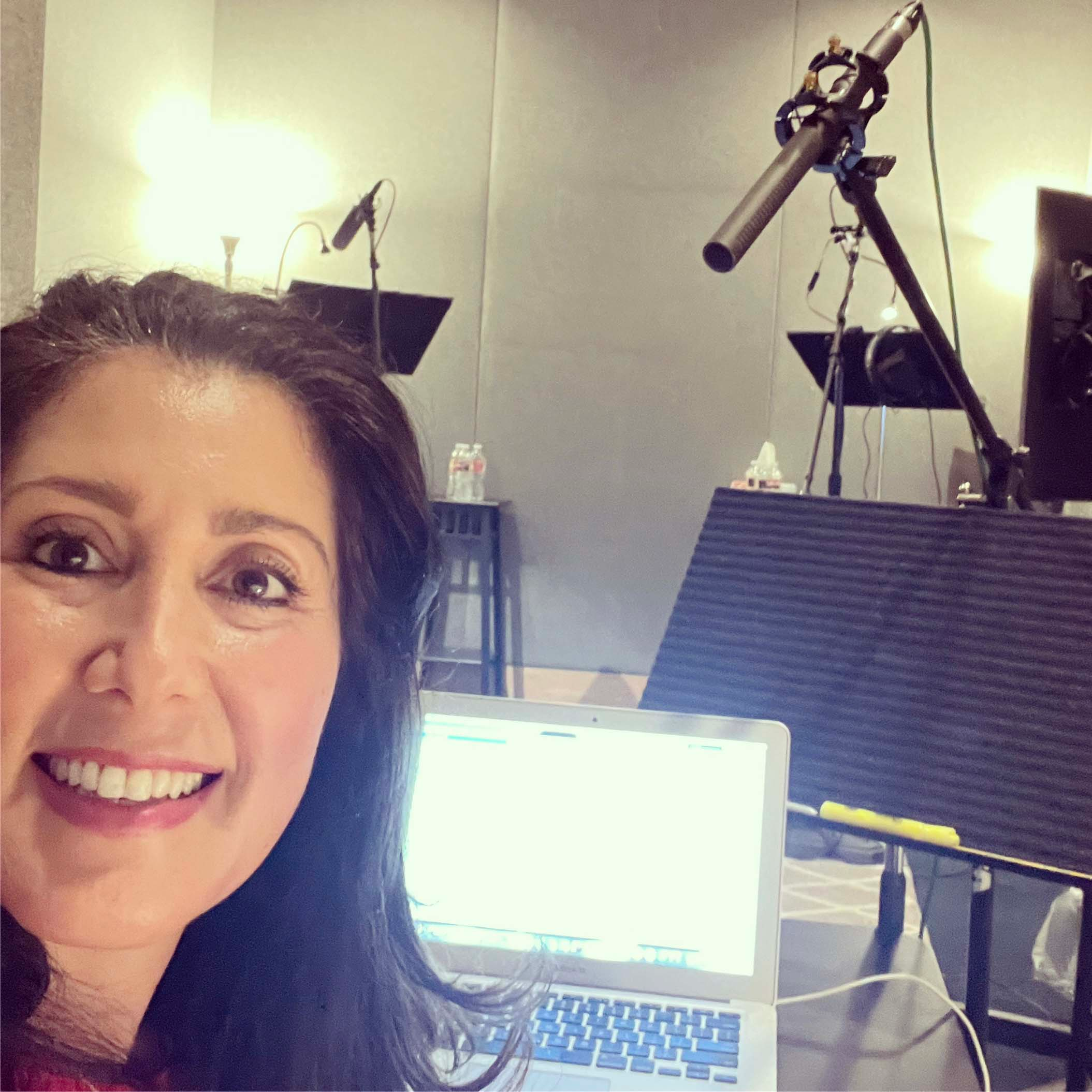
On my podcast, Dear Family, I opened conversations about family, mental health, relationships, intergenerational patterns, and the stories we inherit. Through my work with NAMI (National Alliance on Mental Illness) as an Ending the Silence Lead Presenter, I’ve spoken with students, parents, faculty, and staff about mental health and the importance of replacing shame, stigma, and secrecy with love, compassion, and understanding.
Those experiences taught me something else about connection: conversation matters.
There can be something incredibly freeing about saying something out loud, listening without judgment, discovering that someone else understands, and realizing we aren’t as alone as we thought.
Conversation is one of the ways we come to know one another, and one of the ways we find our way back to one another.
I created The Well-Connected Life to bring greater intention to something we too often leave to chance: our ability to connect.
Through five elements: Self-Awareness, Emotional Regulation, Meaningful Friendships, Belonging & Mattering, and Contribution & Community, I help children and adults understand and practice the skills that support strong relationships and connected communities.
Connection is something we can practice. Something we can create. And something we can help one another build.
Rachel Steinman, M.Ed., is the founder of The Well-Connected Life, an educator, speaker, mindfulness teacher, author, podcaster, and mental-health advocate whose work centers on connection, belonging, and relational health.
Rachel holds a B.A. in Developmental Psychology from UC Santa Barbara, a Multiple Subject Teaching Credential from UCLA, and an M.Ed. from UCLA. Over more than two decades, she has worked with students from kindergarten through high school, as well as with educators, parents, and school communities. Her work as a mindfulness teacher helps children develop self-awareness and emotional regulation as foundations for stronger relationships and well-being.
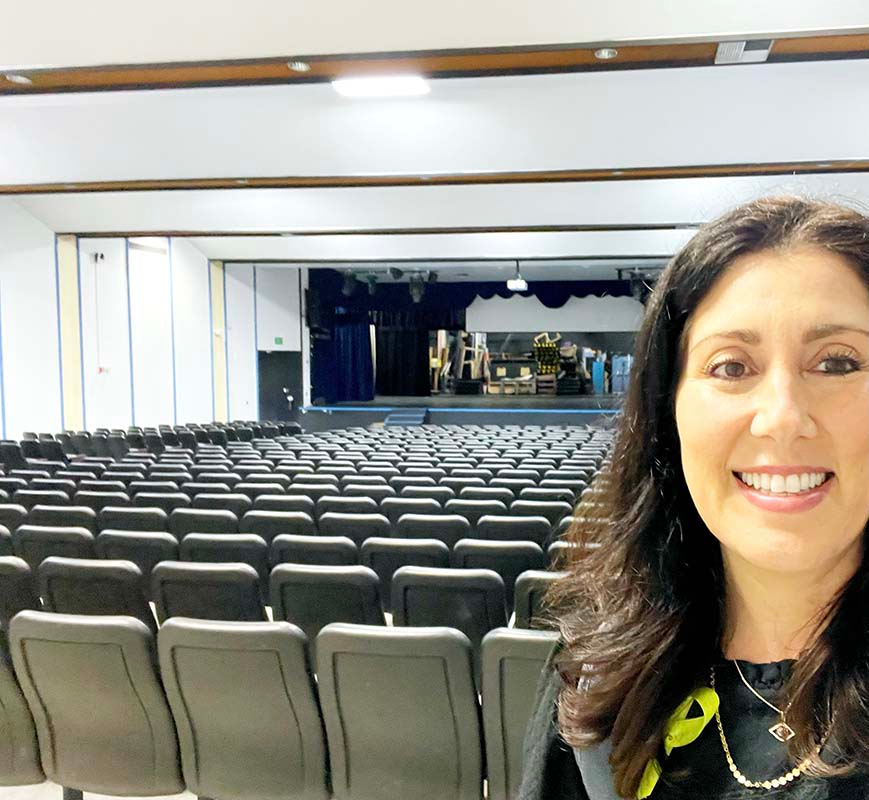
As a NAMI Ending the Silence Lead Presenter, Rachel has spoken with students, parents, faculty, and staff at schools and organizations throughout California about mental health, help-seeking, and replacing shame, stigma, and secrecy with love, compassion, and understanding.
Rachel is the creator and host of the Dear Family, podcast where she explores family, mental health, relationships, and the power of honest conversation. She is also co-author of Stay Golden, Girls: Friendship Is the New Marriage, a celebration and exploration of female friendship.
Through The Well-Connected Life, Rachel brings together her background in developmental psychology, education, mindfulness, mental-health advocacy, and the science of social and relational health to help people build the skills and conditions for stronger relationships, greater belonging, and more connected communities.